


The Definition of Rural
At the Alliance for Rural Prosperity, we talk about "rural" every day. It’s in our name, it’s our mission, and it’s the heart of our work. But what do we mean when we say "rural"?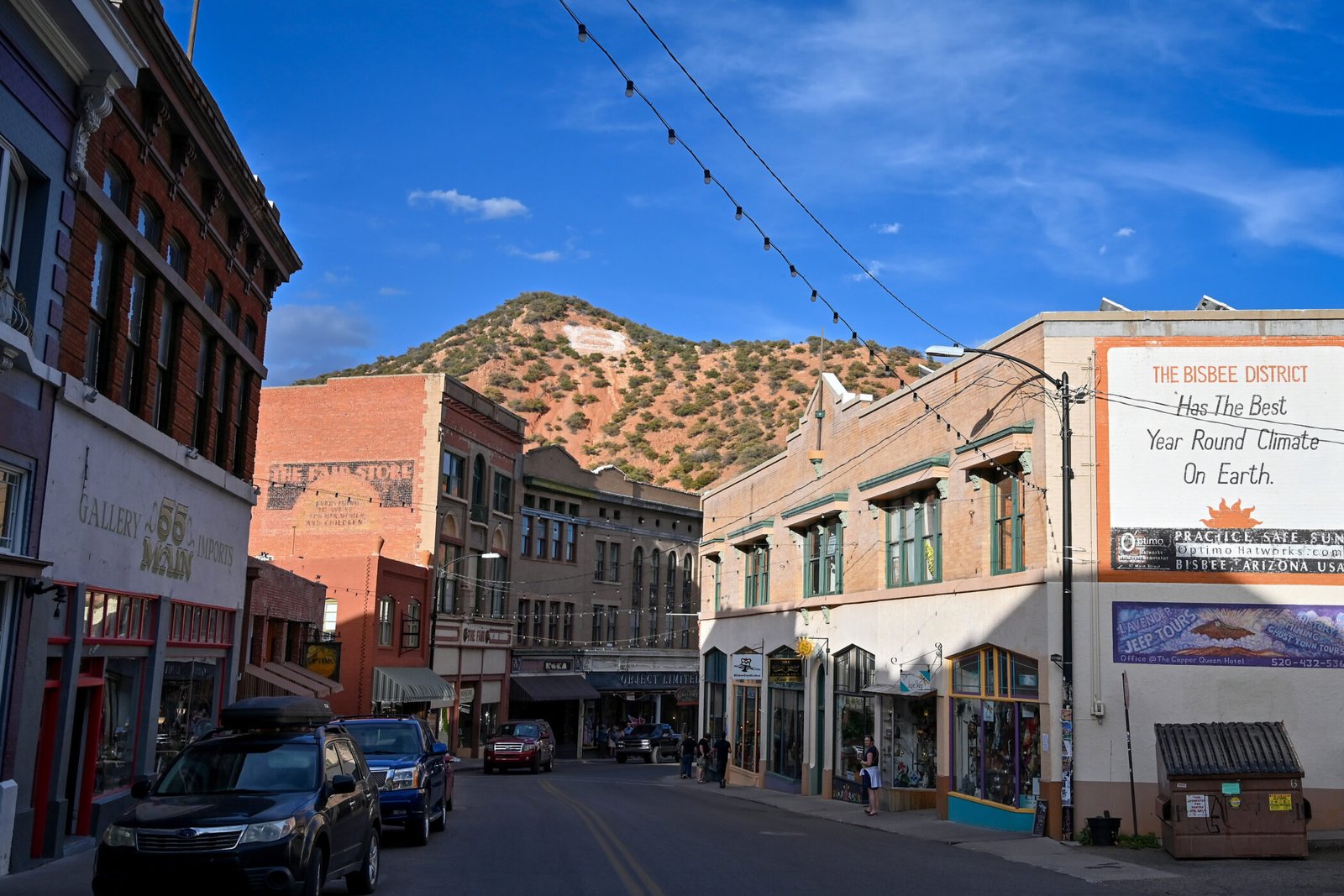
Empowering Rural America in the Age of AI
Exploring the vibrant, diverse, and dynamic reality of rural America today
If you look at the U.S. federal government, you’ll find not one, but multiple official definitions. The Office of Management and Budget (OMB) classifies counties as Metropolitan, Micropolitan, or Noncore. The U.S. Department of Agriculture’s Economic Research Service has its own set of rural-urban continuum codes. While these classifications are essential for distributing federal funds and tracking broad trends, they often fail to capture the full picture.
They define rural by what it is not metropolitan.
We believe it’s time for a definition that reflects the vibrant, diverse, and dynamic reality of rural America today. Our work is built on a definition that is both pragmatic and visionary.
Our Pragmatic Definition: The Data We Use
For data analysis, grantmaking, and policy work, we require a clear and consistent line. We have to start somewhere, and we use the U.S. Census Bureau's definition. The Census defines "rural" as any population, housing, or territory not within an urban area (a densely settled core of 50,000 or more people or urban clusters of 2,500 to 50,000 people).
This definition is powerful because it is the most granular, applying to specific geographic areas rather than entire counties. It allows us to identify communities that are truly rural in character, even if they are located within a county that contains a small city.
This is our foundational, data-driven starting point. But it’s only the beginning of the story.
Our Visionary Definition: The Future We See
Rural is an Engine of Innovation
It is not a museum of the past, but a laboratory for the future. From advanced agricultural technology and distributed renewable energy to remote-first tech companies and creative manufacturing, rural America is pioneering new models for economic resilience.
Rural is Connected
The future of rural is digitally connected. High-speed broadband is essential for education, healthcare, entrepreneurship, and civic participation. It allows rural talent to compete and collaborate on a global scale.
Rural is Diverse and Adaptive
Rural communities are not a monolith. They are farming towns, mountain retreats, desert hubs, and riverfront communities, each with a unique culture, history, and asset base. Their strength lies in their ability to adapt their unique identity to new economic realities.
Rural is Collaborative
Success in rural places is often built on deep trust and collaboration. Cross-sector partnerships between local government, education, business, and non-profits are the rule, not the exception. This "collaborative muscle" is a critical competitive advantage.
Rural is a Choice
A growing number of people are choosing rural life not out of necessity, but for its quality of life, connection to nature, and sense of community. This in-migration of talent, ideas, and capital is a powerful new force for renewal.